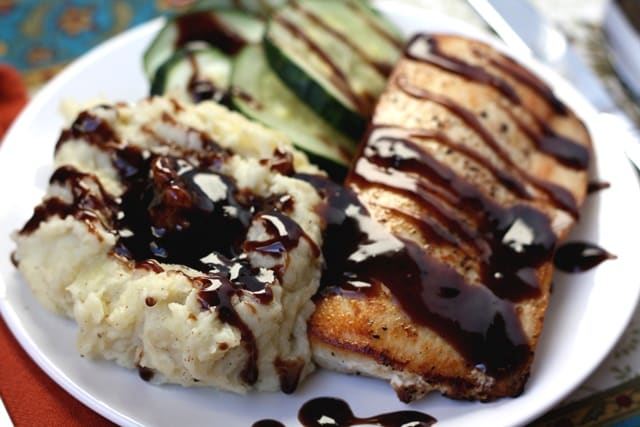
Balsamic Butter Sauce: The Secret to Perfect Steak & Chicken
Imagine transforming an ordinary weeknight dinner into a gourmet experience with just one simple, yet incredibly elegant, addition. That's the power of balsamic butter sauce. This rich, glossy, and perfectly balanced sauce is your secret weapon for elevating humble ingredients like pan-seared steak and grilled chicken into dishes worthy of a fine dining establishment. Forget complicated culinary feats; with a few quality ingredients and a straightforward technique, you can master a sauce that promises to dazzle your taste buds and impress your dinner guests.
The beauty of this sauce lies in its harmonious contrast: the bright acidity and deep sweetness of balsamic vinegar perfectly cut through the richness of butter, creating a symphony of flavors that complements a surprising range of dishes. It’s incredibly versatile, requiring only five common ingredients, and can be whipped up in under 25 minutes – making gourmet accessible even on the busiest evenings.
The Foundation: Premium Ingredients for an Unforgettable Balsamic Butter Sauce
While the technique for making balsamic butter sauce is simple, the quality of your ingredients is paramount. Think of them as the building blocks of flavor and texture; skimping here can undermine the entire effort. Choosing wisely ensures a sauce that is not just good, but truly extraordinary.
The Star: Quality Balsamic Vinegar
The very soul of your sauce, balsamic vinegar, demands attention to detail. Do not reach for generic supermarket varieties if you desire a truly deep, complex flavor. Instead, opt for an aged balsamic vinegar, ideally one that's been matured for 6-12 years. Look for a minimum density of 1.20 g/ml – this indicates a naturally thicker, syrupy consistency that will beautifully "coat the back of a spoon."
- Why it matters: High-quality balsamic offers a profound, nuanced sweetness and a less aggressive acidity compared to younger, thinner versions. It forms the essential backbone of your sauce, contributing depth without being overly sharp. A superior balsamic will reduce beautifully, intensifying its inherent characteristics into a concentrated elixir.
- Pro Tip: Look for labels indicating "Aceto Balsamico di Modena IGP" or "Tradizionale DOP" for true quality, though excellent aged vinegars from other regions also exist.
The Emulsifier: High-Fat European-Style Butter
Butter isn't just a flavor enhancer; it's a critical component for achieving that coveted stable, glossy emulsion. For the best results, use unsalted, high-fat European-style butter with a minimum of 82% butterfat. Crucially, cut your butter into ½-inch cubes and keep them chilled at a brisk 38°F (3°C) until ready to use.
- Why it matters: Higher fat content is vital for creating a robust emulsion, where tiny fat droplets are suspended evenly throughout the sauce, preventing it from breaking or becoming greasy. The cold temperature is equally important; adding cold butter slowly to a warm (but not hot) liquid facilitates a stable bond, resulting in a velvety smooth sauce that clings perfectly to your food.
Aromatic Foundation: Shallots and Garlic
These humble aromatics lay the groundwork for a rich flavor profile. Their preparation, however, is key to the sauce's silky smooth texture.
- Uniform Shallot Mincing: Mince your shallots meticulously, aiming for pieces no larger than 1/16-inch. This ensures they cook evenly and completely dissolve within 3-5 minutes of gentle sautéing, releasing their sweet aromatics without leaving any unwanted crunchy or fibrous bits in the final sauce.
- Finely Grated Garlic: Ditch the rough chop. Grate fresh garlic cloves with a microplane directly into the pan. This ultra-fine texture melts seamlessly into the sauce, providing an exquisite garlicky essence without any harsh raw notes, contributing to an exquisitely smooth consistency. Aim for about 1 teaspoon of grated garlic per ½ cup of finished sauce.
Subtle Enhancers: Wine & Fresh Herbs
While optional, a splash of dry red wine for deglazing and a sprinkle of fresh herbs can elevate your balsamic butter sauce even further.
- Strategic Deglazing: A ¼ cup of dry red wine after sautéing aromatics helps scrape up flavorful browned bits (fond) from the pan, adding another layer of depth and complexity.
- Late Herb Incorporation: If adding fresh herbs like chives or parsley, finely chop them to 1/8-inch. Stir in about 1 tablespoon per ½ cup of sauce, just 30 seconds before serving. This timing preserves their vibrant color, fresh aroma, and delicate texture, preventing wilting or darkening.
Mastering the Technique: Crafting Your Signature Balsamic Butter Sauce
Creating this gourmet sauce is less about complex steps and more about controlled execution of a few critical stages. Follow these techniques for a flawless balsamic butter sauce every time.
Gentle Aromatic Sautéing
Begin by sautéing your meticulously minced shallots in 1 tablespoon of olive oil over medium-low heat (approximately 250°F / 120°C) for 4-6 minutes. Stir frequently until they are translucent and soft, resembling "fork-tender" vegetables. The goal is to soften and sweeten them without any browning; caramelized shallots can introduce an undesirable bitterness to your delicate sauce.
Controlled Balsamic Reduction
After your aromatics are ready, or once you've deglazed the pan (if using wine), it's time for the balsamic vinegar. Pour in your aged balsamic and reduce it slowly over medium-low heat (180-200°F / 82-93°C) for 8-12 minutes. The objective is to reduce the volume by exactly half, allowing it to thicken into a dark, syrupy consistency. You’ll know it’s ready when it forms slow "bubbling at the edges" and beautifully coats the back of a spoon. This process intensifies its natural sweetness and depth, while mellowing its acidity, forming the concentrated core of your sauce.
For more detailed insights into achieving that perfect consistency, explore our guide: Master Balsamic Butter Sauce: Essential Tips for a Glossy Finish.
The Emulsion Secret: Cold Butter Whisking
This is arguably the most crucial step for a stable, glossy sauce. Remove the pan from the heat entirely. Begin whisking in your cold, ½-inch butter cubes, 1-2 tablespoons at a time, allowing each addition to melt and incorporate before adding more. It's vital to maintain the sauce temperature below 160°F (71°C) during this process. The cool temperature of the butter, combined with continuous whisking, creates a stable emulsion that "slides off a spoon" smoothly and clings perfectly to your food without separating.
- Why Cold Butter? When cold butter is gradually introduced to a warm (but not hot) liquid, the milk solids and water in the butter help to emulsify the fat, creating a stable, homogenous mixture. If the sauce is too hot, the butterfat can separate from the other components, resulting in a greasy, broken sauce.
Layered Progressive Seasoning
Season your balsamic butter sauce judiciously. Start with about ¼ teaspoon of fine sea salt and 1/8 teaspoon of black pepper per ½ cup of sauce. Taste the sauce, then adjust seasoning in small increments – 1/8 teaspoon of salt or 1/16 teaspoon of pepper – tasting after each addition. This ensures optimal flavor balance without the risk of over-seasoning, allowing the sweet-tart profile to truly shine.
Finishing Touches: Fresh Herbs
If you're incorporating fresh herbs, finely chop them to 1/8-inch and stir in about 1 tablespoon per ½ cup of sauce approximately 30 seconds before serving. This timing is critical for preserving their vibrant color, fresh aroma, and delicate texture, preventing them from wilting or losing their brightness in the heat of the sauce.
Beyond Steak & Chicken: Unlocking the Versatility of Balsamic Butter Sauce
While this exquisite sauce is undeniably phenomenal over a perfectly pan-seared steak or a juicy grilled chicken breast, its versatility extends far beyond these classics. The balanced sweet-tart profile of balsamic butter sauce makes it an ideal companion for a wide array of dishes, effortlessly elevating everyday meals to gourmet status.
- Roasted Vegetables: Drizzle generously over roasted asparagus, Brussels sprouts, carrots, or even potatoes for a burst of sophisticated flavor.
- Delicate Fish: A light, flaky white fish like cod, halibut, or snapper benefits immensely from the richness and tang of this sauce.
- Pork Tenderloin: The sauce's sweetness beautifully complements the mild flavor of pork.
- Pasta: Toss with freshly cooked pasta, perhaps with some sautéed mushrooms or spinach, for a quick and elegant meal, as hinted by some of the most enthusiastic fans.
- Appetizers: Even as a sophisticated dip for crusty bread or drizzled over bruschetta or fresh mozzarella.
For more inspiration on quick gourmet transformations, check out: Easy Balsamic Butter Sauce: Gourmet Meals in 25 Minutes.
Troubleshooting Your Balsamic Butter Sauce
Even seasoned home cooks encounter challenges. Here are solutions to common sauce mishaps:
The Sauce Broke!
A "broken" sauce, where the butterfat separates from the liquid, is usually caused by adding butter too quickly or allowing the sauce to get too hot during emulsification. Don't despair! Try whisking in a teaspoon of very cold water or even a tiny ice cube off the heat. If it's only slightly broken, continuous vigorous whisking as it cools can sometimes bring it back together. For more severe cases, you might need to start with a fresh tablespoon of cold butter in a clean pan, slowly whisking the broken sauce into it.
Too Thin/Too Thick?
If your sauce is too thin, return it to very low heat and gently reduce it further, whisking occasionally. Be careful not to let it get too hot. If it's too thick, whisk in a tablespoon of warm water or low-sodium chicken broth until the desired consistency is achieved.
Too Tart/Too Sweet?
If the sauce is overly tart, a tiny pinch of sugar can help balance the acidity. If it's too sweet (perhaps from over-reducing a very sweet balsamic), a micro-splash of fresh lemon juice or even a touch more balsamic (if it's a good quality, less sweet one) can help rebalance it.
The balsamic butter sauce is more than just a condiment; it's an opportunity to infuse your cooking with a touch of elegance and sophistication. With careful attention to ingredient quality and mastering a few straightforward techniques, you can unlock a world of flavor that will transform your everyday meals into memorable dining experiences. So, grab your aged balsamic, your high-fat butter, and prepare to elevate your steak, chicken, and so much more to gourmet perfection. Your taste buds will thank you!
