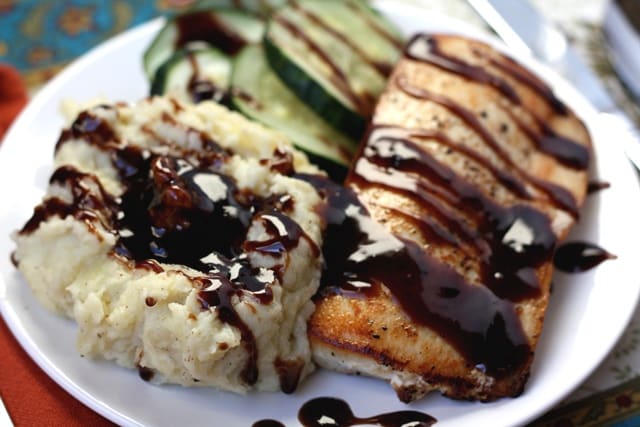
Unleashing Gourmet Flavors with Easy Balsamic Butter Sauce
Imagine transforming an ordinary weeknight dinner into a culinary masterpiece with minimal effort. That's the magic of a truly exceptional balsamic butter sauce. This rich, glossy, and exquisitely balanced sauce is your secret weapon for elevating simple ingredients into gourmet experiences, all within a remarkable 25-minute timeframe. Forget complicated techniques or obscure ingredients; this recipe relies on just five common items and a few clever steps to deliver an unforgettable sweet-tart symphony that coats everything it touches with luxurious flavor.
From succulent grilled chicken breasts to perfectly pan-seared steaks, and even vibrant roasted vegetables, a well-crafted balsamic butter sauce can take any dish from 'good' to 'wow'. Its ability to strike a perfect balance between the tangy acidity of balsamic vinegar and the creamy richness of butter creates a depth of flavor that is both comforting and sophisticated. And the best part? The active cooking time is often less than 10 minutes, making it ideal for busy individuals who refuse to compromise on taste.
The Secret Ingredients: Quality Matters for a Perfect Sauce
While the recipe itself is straightforward, the true brilliance of a great balsamic butter sauce lies in the quality of its components and how they are prepared. Paying attention to these foundational elements will make all the difference in achieving that professional-grade gloss and depth of flavor.
Choosing Your Balsamic Vinegar
- Aged for Excellence: Opt for an aged balsamic vinegar, ideally one that has matured for 6-12 years. This aging process concentrates its sugars and complex flavors, resulting in a naturally thick, syrupy consistency that will beautifully coat the back of a spoon.
- Density is Key: Look for a minimum density of 1.20 g/ml. A higher density indicates a richer, more concentrated product with less sharp acidity, forming the essential backbone of your sauce. Cheaper, thinner balsamic vinegars will lack the necessary body and complexity, often requiring more reduction time and yielding a less intense flavor.
- The Why: Quality balsamic vinegar offers a deep, nuanced sweetness with a balanced tartness, which is crucial for achieving that signature gourmet profile without overwhelming the dish with harsh acidity.
The Right Butter for Richness and Stability
- High-Fat, Unsalted: European-style butter, with a minimum of 82% butterfat, is the gold standard. Its higher fat content is vital for creating a stable, glossy emulsion that won't separate or become greasy.
- Keep it Cold and Cubed: Cut your unsalted butter into ½-inch cubes and keep them chilled at around 38°F (3°C) until ready to use. This cold temperature is absolutely crucial for the emulsification process, ensuring a smooth and stable sauce.
- The Why: The specific fat content and temperature of the butter play a direct role in how the sauce emulsifies, preventing it from breaking and ensuring that luscious, rich mouthfeel.
Aromatics: The Foundation of Flavor
- Uniformly Minced Shallots: Take your time to mince shallots meticulously, aiming for pieces no larger than 1/16-inch. This ensures they cook evenly and dissolve almost completely into the sauce within 3-5 minutes of gentle sautéing, releasing their sweet aromatics without any crunchy or fibrous bits. Unlike onions, shallots offer a more delicate, subtle sweetness that perfectly complements the balsamic.
- Finely Grated Garlic: Ditch the rough chop for your garlic. Grate fresh cloves with a microplane directly into the pan. Aim for approximately 1 teaspoon of grated garlic per ½ cup of finished sauce. This ultra-fine texture melts seamlessly into the sauce, preventing any harsh raw notes and contributing to an exquisitely smooth consistency.
Optional Fresh Herbs: A Burst of Freshness
- Late Incorporation: If you choose to add fresh herbs like chives, parsley, or even a hint of thyme, finely chop them to about ⅛-inch. Stir them in just 30 seconds before serving.
- The Why: This timing retains their vibrant color, delicate texture, and fresh aroma, preventing them from wilting, darkening, or losing their bright essence in the heat of the sauce.
Mastering the Technique: Crafting Your Balsamic Butter Sauce
With quality ingredients in hand, the next step is mastering the simple yet precise techniques that bring this incredible sauce to life. Each step builds upon the last, ensuring a harmonious and delicious result.
Gentle Aromatic Sautéing
Begin by sautéing your meticulously minced shallots in about 1 tablespoon of olive oil over medium-low heat (approximately 250°F / 120°C). Stir frequently for 4-6 minutes, until they are translucent and soft, resembling "fork-tender" vegetables. The key here is patience; prevent any browning, as caramelized shallots can introduce an undesirable bitterness to your delicate sauce. This step sweetens the shallots and builds a foundational layer of flavor.
Strategic Deglazing (A Flavor Enhancer)
After your aromatics are perfectly softened, you can elevate the flavor profile by strategically deglazing the pan. Add about ¼ cup of dry red wine, such as a Pinot Noir or Merlot, or a high-quality beef or vegetable stock. Scrape the bottom of the pan with a wooden spoon to release any flavorful browned bits (fond). Allow the liquid to reduce by half, concentrating these delicious savory notes before moving to the next step.
Controlled Balsamic Reduction
Now, add your chosen balsamic vinegar to the pan. Reduce it slowly over medium-low heat (180-200°F / 82-93°C) for 8-12 minutes, until its volume is exactly halved. As it reduces, it should thicken to a dark, syrupy consistency, forming slow "bubbling at the edges" and beautifully coating a spoon. This controlled reduction concentrates the balsamic's flavor, mellows its acidity, and creates the perfect base for your sauce. Do not rush this step, as over-reducing can lead to bitterness.
The Magic of Cold Butter Emulsification
This is where the magic happens! Remove the pan from the heat. Begin whisking in your cold, ½-inch butter cubes, 1-2 tablespoons at a time, allowing each addition to melt completely before adding more. Continuously whisk to create a stable, glossy emulsion. It's crucial to maintain the sauce below 160°F (71°C) during this process; if the sauce gets too hot, the emulsion can break, resulting in a greasy, separated mixture. The cold butter and constant whisking off the heat combine to create a stable, luxurious sauce that "slides off a spoon" smoothly and clings perfectly to your food. For more in-depth tips on achieving that perfect finish, check out our guide on Master Balsamic Butter Sauce: Essential Tips for a Glossy Finish.
Layered Progressive Seasoning
Finish your balsamic butter sauce by seasoning with approximately ¼ teaspoon of fine sea salt and ⅛ teaspoon of freshly cracked black pepper per ½ cup of sauce. Taste the sauce, and then adjust seasoning in small increments (⅛ teaspoon salt or 1/16 teaspoon pepper), tasting after each addition. This progressive seasoning ensures optimal flavor balance without the risk of over-seasoning, allowing all the delicate notes to shine.
Versatility on Your Plate: What to Serve with Balsamic Butter Sauce
The beauty of this easy balsamic butter sauce lies in its incredible versatility. It complements a vast array of dishes, instantly upgrading them to a gourmet standard. Here are just a few ideas to get you started:
- Proteins:
- Steak: It's a match made in heaven for pan-seared New York Strip steaks, grilled ribeyes, or even a simple skirt steak. The rich sauce beautifully cuts through the fattiness of the beef, enhancing its natural flavors. You might even find it becomes your new favorite steak topping, as it did for us, even converting steak purists who usually prefer just salt and pepper! For specific steak and chicken pairings, read our article: Balsamic Butter Sauce: The Secret to Perfect Steak & Chicken.
- Chicken: Drizzle it over grilled chicken breasts, roasted chicken thighs, or pan-fried cutlets.
- Fish: Delicate fish like salmon, cod, or mahi-mahi are wonderfully enhanced by its sweet-tart profile.
- Pork: Roasted pork tenderloin or seared pork chops receive a fantastic boost from this sauce.
- Vegetables:
- Roasted Asparagus: A classic pairing.
- Brussels Sprouts: Roasting brings out their sweetness, which harmonizes with the sauce.
- Broccoli & Green Beans: Steamed or roasted, a drizzle of balsamic butter sauce adds incredible flavor.
- Mushrooms: Sautéed mushrooms tossed in the sauce are an exquisite side dish.
- Carbohydrates:
- Pasta: Toss with freshly cooked pasta for a simple yet elegant meal, inspired by classic Italian flavors.
- Polenta: Spoon over creamy polenta for a comforting and sophisticated side.
- Mashed Potatoes: A luxurious alternative to gravy.
- Crusty Bread: Don't forget a good loaf of crusty bread for soaking up every last drop!
Conclusion
The easy balsamic butter sauce is a testament to the idea that extraordinary flavors don't require extraordinary effort. With just a handful of quality ingredients and a few precise techniques, you can create a truly gourmet sauce in under 25 minutes. Its balanced sweet-tart profile, rich texture, and incredible versatility make it an indispensable addition to any home cook's repertoire. So go ahead, elevate your everyday meals, impress your dinner guests, and savor the simple luxury of homemade gourmet cooking.
