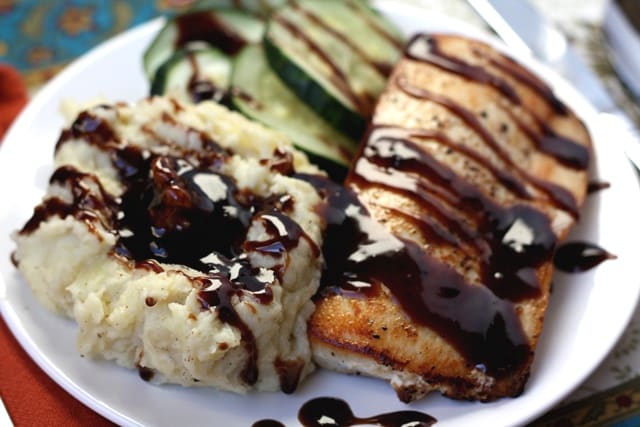
Master Balsamic Butter Sauce: Essential Tips for a Glossy Finish
Elevate your home cooking from ordinary to extraordinary with a sauce that’s both deceptively simple and incredibly sophisticated: the balsamic butter sauce. This rich, glossy condiment has the power to transform everything from a humble weeknight chicken breast to a gourmet pan-seared steak, infusing each bite with a harmonious balance of sweet, tangy, and savory notes. While it might seem like a chef's secret, achieving that coveted silky, glossy finish is entirely within your reach, provided you pay attention to a few crucial details.
This article delves into the essential techniques and ingredient selections that guarantee a perfect
Easy Balsamic Butter Sauce: Gourmet Meals in 25 Minutes, ensuring your sauce is not just delicious, but visually stunning every time. Forget greasy, broken sauces; we’re aiming for a luscious emulsion that clings beautifully and delights the palate.
The Quest for Gloss: Understanding Balsamic Butter Sauce
At its heart, balsamic butter sauce is an emulsified pan sauce. It leverages the concentrated flavor of reduced balsamic vinegar and the luxurious richness of butter, often enhanced by aromatic elements like shallots and garlic. What makes it truly special – and challenging for some – is achieving a stable emulsion, where fat and liquid are smoothly blended without separating. This is where the "glossy finish" comes in; it's a visual indicator of a perfectly emulsified sauce that coats food beautifully without leaving an oily residue.
The appeal of this sauce lies in its incredible versatility. It breathes new life into grilled chicken, perfectly complements the robust flavor of pan-seared steak (becoming a new favorite, even for those who prefer just salt and pepper!), and adds a touch of elegance to roasted vegetables like asparagus. The balance of its sweet-tart profile cuts through richness, while its buttery texture enrobes delicate ingredients, making it a go-to for elevating everyday meals into gourmet experiences.
Building Blocks of Brilliance: Premium Ingredients are Non-Negotiable
The journey to a flawless balsamic butter sauce begins long before you turn on the stove. The quality and preparation of your core ingredients are paramount and directly impact the final texture, flavor, and crucial gloss of your sauce.
- Balsamic Vinegar Quality: The Sauce's Backbone
Do not underestimate the power of good balsamic. For this sauce, you want to reach for aged balsamic vinegar, ideally aged between 6 to 12 years. Look for a minimum density of 1.20 g/ml. This might sound technical, but it's a key indicator of quality. A denser balsamic will be naturally thicker, almost syrupy, and will "coat the back of a spoon." This inherent body is vital for creating a robust base and contributing to the sauce's final glossy consistency without excessive reduction. High-quality balsamic offers a deeper, more complex flavor profile with significantly less sharp acidity, allowing for a harmonious sweet-tart balance.
- High-Fat Butter Choice: The Emulsification Essential
Your butter is perhaps the most critical component for a stable, glossy emulsion. Opt for unsalted, high-fat European-style butter, which typically boasts a minimum of 82% butterfat. Higher butterfat content is a game-changer; it translates to less water and more pure fat, which is crucial for creating a stable emulsion that resists breaking into grease. Always cut your butter into 1/2-inch cubes and keep it chilled at precisely 38°F (3°C) until the moment of incorporation. Cold butter melts slowly and evenly, allowing for a gradual emulsification process.
- Uniform Shallot Mincing: For Seamless Smoothness
Shallots provide a delicate, sweet aromatic base for the sauce. Meticulous mincing is key here – aim for pieces no larger than 1/16-inch. This ultra-fine chop ensures that the shallots cook evenly and completely dissolve into the sauce within 3-5 minutes of gentle sautéing, releasing their sweet aromatics without leaving any crunchy or fibrous bits in your final smooth sauce.
- Finely Grated Garlic: The Invisible Flavor Enhancer
Roughly chopped garlic can introduce harsh, raw notes and disrupt the smooth texture of your sauce. Instead, grate fresh garlic cloves with a microplane directly into the pan. This creates an ultra-fine, almost paste-like texture that melts seamlessly into the sauce, preventing any pungent raw garlic flavor and ensuring an exquisitely smooth consistency. A general guideline is 1 teaspoon of grated garlic per 1/2 cup of finished sauce.
Mastering the Method: Precision Steps for a Silky Smooth Emulsion
With your premium ingredients prepped, it's time to focus on the cooking techniques that transform them into a glossy masterpiece. Each step is designed to build flavor and ensure a stable, beautiful sauce.
- Gentle Aromatic Sautéing: Building the Flavor Base
Begin by sautéing your meticulously minced shallots in 1 tablespoon of good quality olive oil over medium-low heat (approximately 250°F / 120°C) for about 4-6 minutes. Stir frequently until they become translucent and soft, resembling "fork-tender" vegetables. The crucial tip here is to *prevent any browning*. Caramelized shallots, while delicious in other contexts, will introduce an undesirable bitterness to this delicate sauce.
- Strategic Deglazing: Capturing Hidden Flavors
Once the shallots are softened, it's time to deglaze the pan. Add 1/4 cup of dry red wine (such as Pinot Noir or Cabernet Sauvignon) or a high-quality, unsalted beef or vegetable broth. Scrape vigorously with a wooden spoon to lift any flavorful browned bits (fond) from the bottom of the pan. This step not only adds a layer of depth and complexity but also ensures a clean pan for the subsequent reduction. Allow the liquid to reduce by half before proceeding.
- Controlled Balsamic Reduction: Concentrating Sweet-Tartness
Following deglazing, pour in your chosen balsamic vinegar. Reduce it slowly over medium-low heat (maintaining a temperature between 180-200°F / 82-93°C) for 8-12 minutes, or until its volume is exactly halved. This slow reduction is key; it allows the vinegar to thicken into a dark, syrupy consistency, where you'll observe slow "bubbling at the edges." The reduction should beautifully coat a spoon, indicating optimal concentration. This step is vital for both intense flavor and the inherent body that contributes to the sauce's gloss.
- Cold Butter Emulsification: The Secret to the Glossy Finish
This is arguably the most critical step for achieving that signature glossy finish. *Remove the pan from the heat entirely.* Now, begin whisking in your cold, 1/2-inch butter cubes, 1-2 tablespoons at a time. Allow each addition to fully melt and incorporate before adding the next. The trick is to maintain the sauce temperature below 160°F (71°C). Working off the heat with cold butter prevents the emulsion from breaking and ensures the butter is gently suspended within the reduced balsamic. This cool method creates a stable, glossy emulsion that will "slide off a spoon" smoothly and cling perfectly to your food. If the sauce cools too much, you can briefly return it to *very low* heat, whisking constantly, but never let it come to a simmer.
Refining Your Creation: Seasoning, Herbs, and Serving Inspiration
Your balsamic butter sauce is nearly complete. A few final touches will perfect its flavor and presentation.
- Layered Progressive Seasoning: Achieving Perfect Balance
Seasoning is an art, not a science. Start with a baseline of about 1/4 teaspoon fine sea salt and 1/8 teaspoon black pepper per 1/2 cup of sauce. However, the most important step is to taste, taste, taste! Adjust seasoning in small increments – adding 1/8 teaspoon salt or 1/16 teaspoon pepper at a time – and tasting after each addition. This ensures optimal flavor balance without the risk of over-seasoning, allowing the sweet, tart, and savory notes to shine.
- Late Herb Incorporation: A Burst of Freshness
If you wish to add fresh herbs, such as finely chopped chives or parsley, incorporate them strategically. Finely chop them to about 1/8-inch and stir in approximately 1 tablespoon per 1/2 cup of sauce, just 30 seconds before serving. This timing is essential; it retains the herbs' vibrant color, fresh aroma, and delicate texture, preventing them from wilting, darkening, or losing their bright appeal.
Your masterfully crafted balsamic butter sauce is now ready to transform your meals. Its balanced profile beautifully complements a wide array of dishes. It's truly spectacular over pan-seared New York strip steaks, creating a tender, juicy, and flavorful experience that will convert even the most traditional steak lovers. It also shines with grilled chicken, roasted pork tenderloin, delicate pan-seared fish like cod or salmon, and even simple roasted vegetables such as asparagus or Brussels sprouts. For more pairing ideas and to explore how this sauce can elevate your proteins, dive into
Balsamic Butter Sauce: The Secret to Perfect Steak & Chicken.
Achieving a glossy balsamic butter sauce is a culinary triumph that rewards precision and patience. By selecting premium ingredients and meticulously following the steps for reduction, aromatic sautéing, and, most importantly, cold butter emulsification, you unlock a world of gourmet flavor. This sophisticated yet approachable sauce promises to be a cherished addition to your recipe repertoire, turning everyday meals into memorable dining experiences with its irresistible shine and depth of flavor. Enjoy the journey to mastering this elegant condiment!